F1 Wagyu Steak, Cut Fresh & Delivered
Wagyu steak online — our F1 Wagyu range crosses Wagyu genetics over the same grass-fed Angus cattle as the rest of our beef, for noticeably heavier marbling at an approachable price. Scotch fillet, porterhouse, rump and mince, cut fresh in Alexandria and delivered cold.
Our beef and lamb are graded for eating quality under Meat Standards Australia and cut to AUS-MEAT language; everything is ground and cut fresh in Alexandria and handled to Food Standards Australia & New Zealand requirements.
 F1 WagyuFresh Chilled
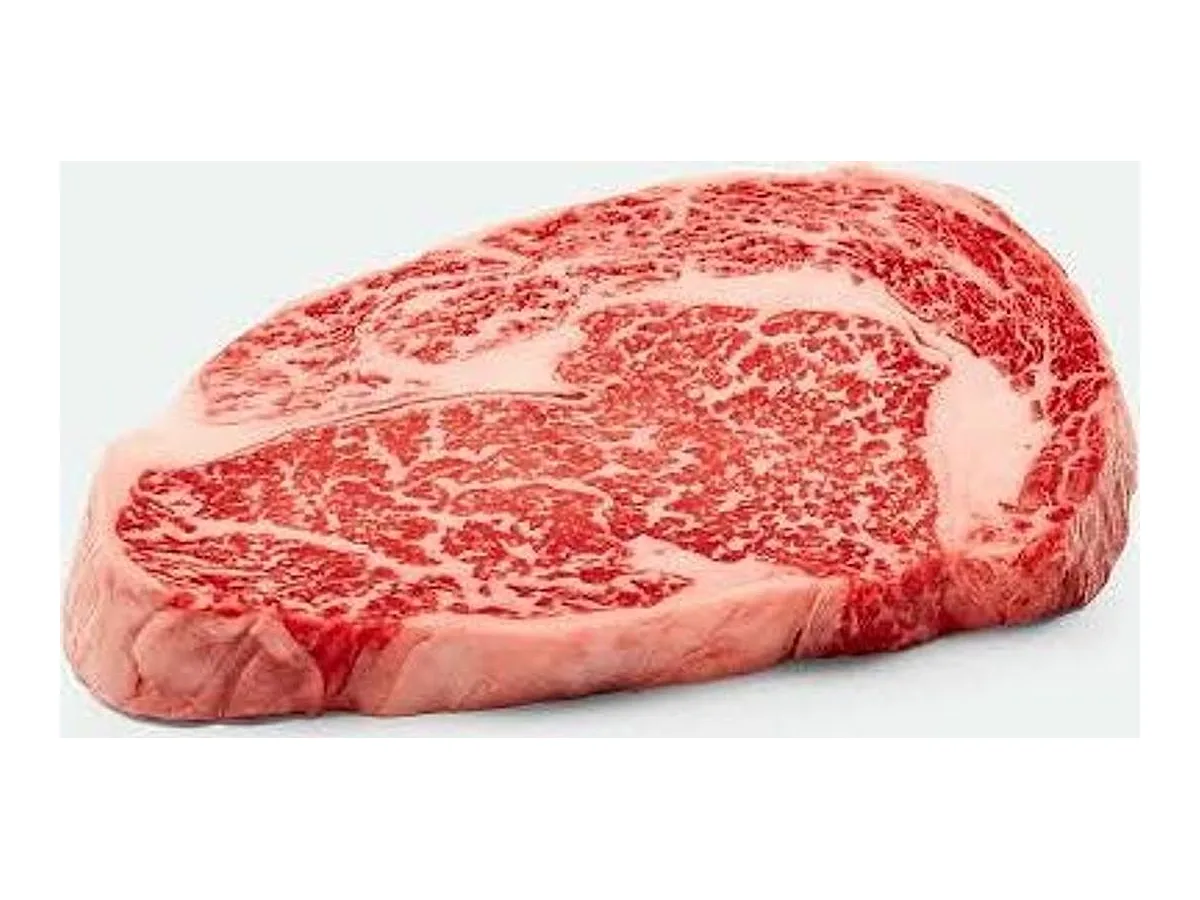
Wagyu Scotch Fillet Steak
F1 Wagyu scotch fillet — richly marbled, from Wagyu-cross Australian cattle.
 F1 WagyuFresh Chilled
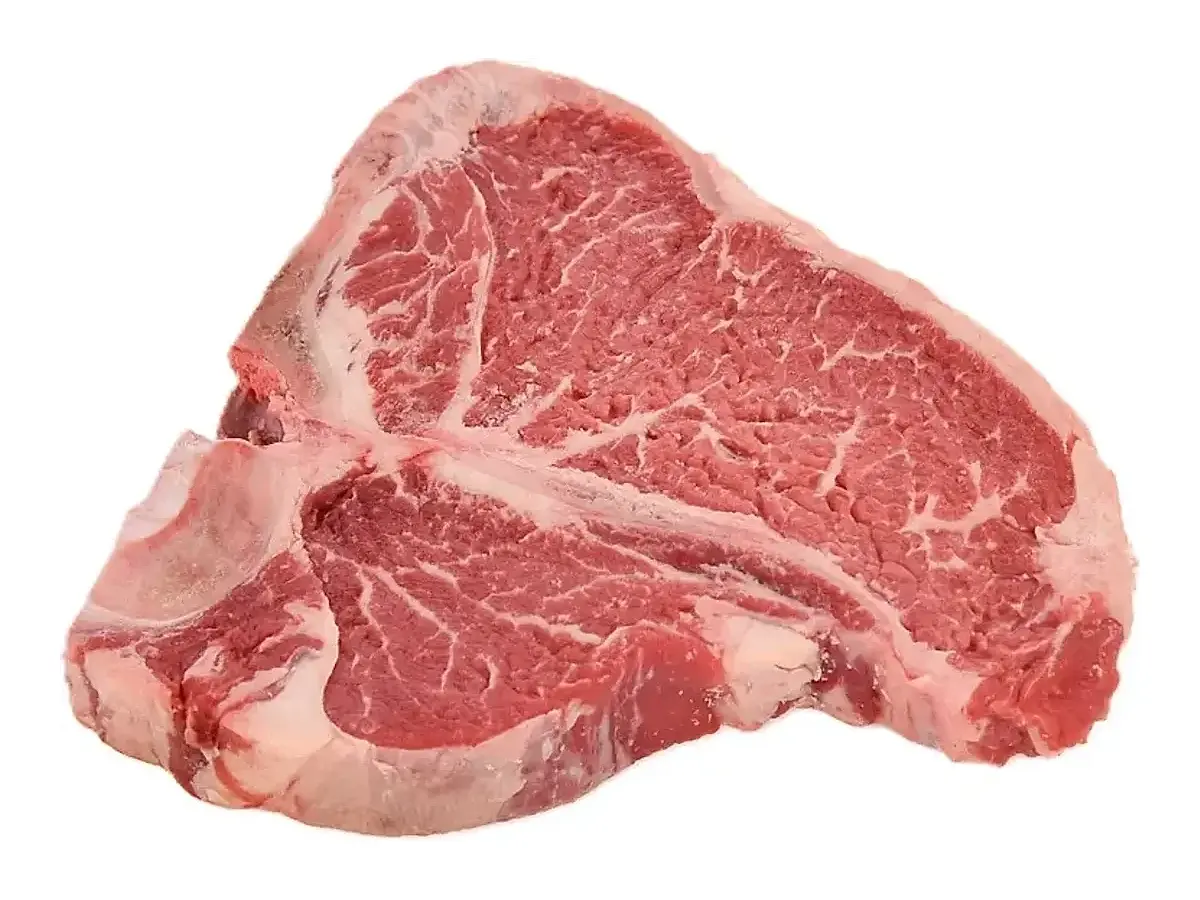
Wagyu Porterhouse Steak
F1 Wagyu porterhouse — firm-grained with the extra marbling of Wagyu genetics.
 F1 WagyuFresh Chilled
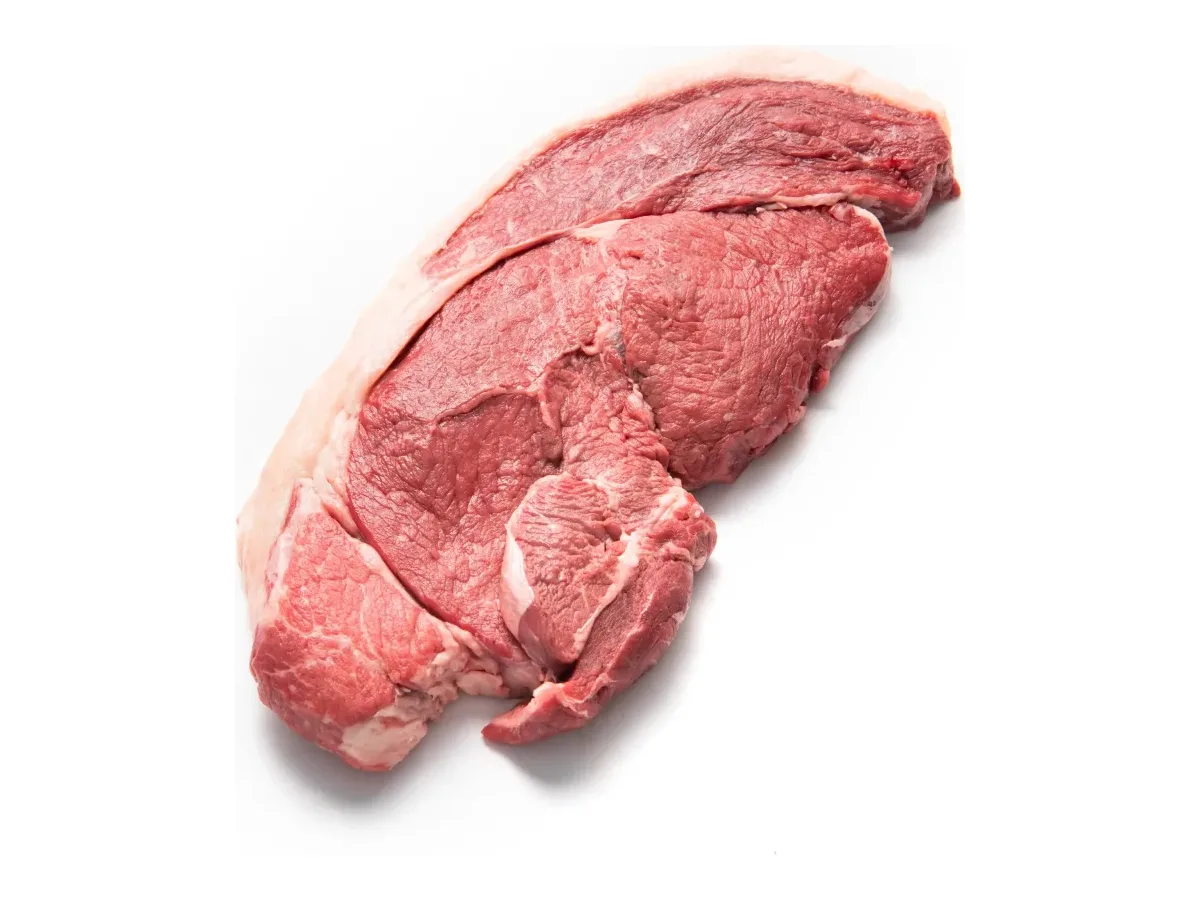
Wagyu Rump Steak
F1 Wagyu rump — the value entry point into our Wagyu range.
 F1 WagyuFresh Chilled
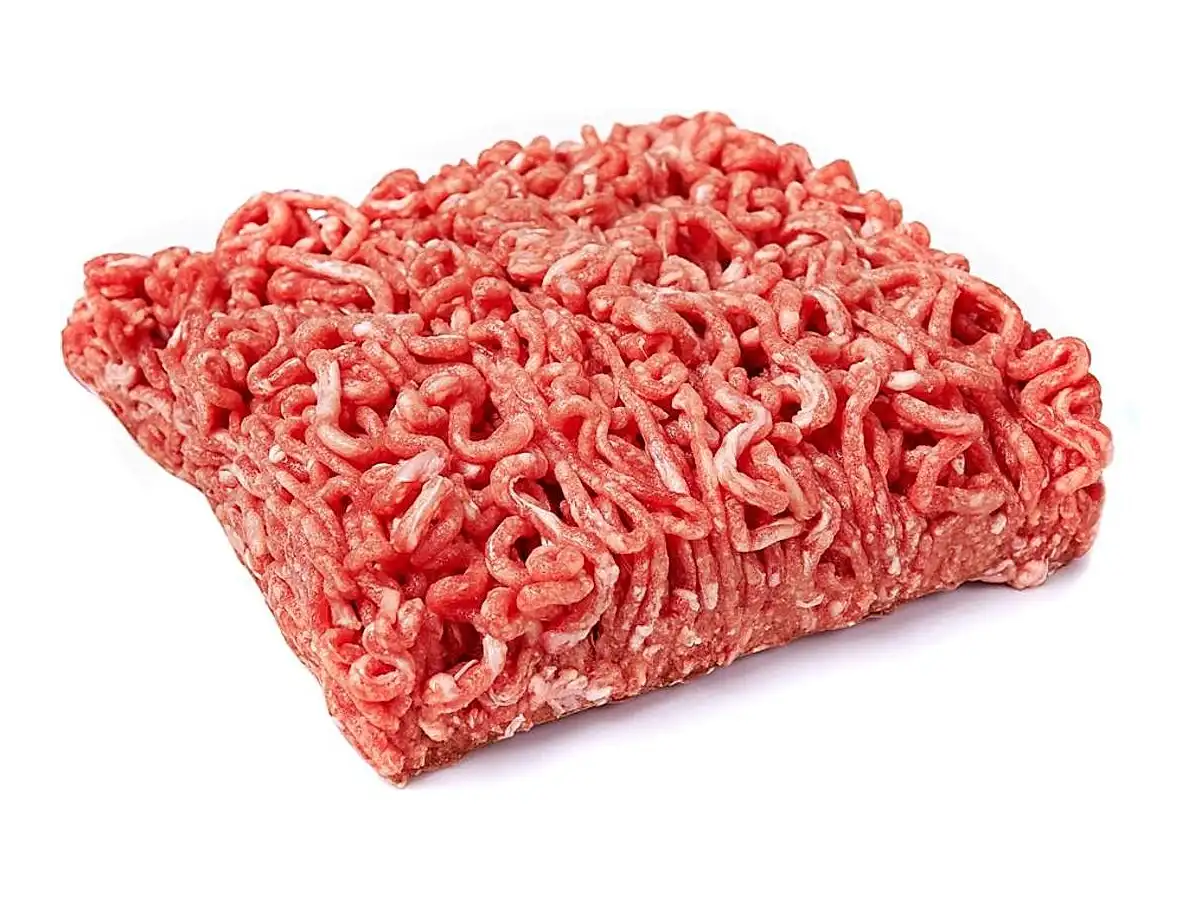
Wagyu Beef Mince
F1 Wagyu beef mince — extra marbling for burgers, meatballs and bolognese.
Wagyu Steak — Buying & Cooking Guide
F1 Wagyu is the entry point into Wagyu beef for most Australians, and it's worth understanding what you're actually buying before you pay a Wagyu premium.
What F1 Wagyu actually is
"F1" is a breeding term, not a grade — it means first-cross: one Wagyu parent, one non-Wagyu parent. Our F1 Wagyu is bred from Wagyu genetics over the same grass-fed Angus base as the rest of our beef, so you're getting the marbling lift Wagyu is known for without paying full-blood or imported Japanese Wagyu prices. Full-blood and Japanese A5 Wagyu sit well above F1 on both marbling and price — F1 is the practical, everyday-splurge tier.
Choosing a cut
Scotch fillet carries the most marbling and is the most forgiving to cook — the classic way to try Wagyu. Porterhouse is firmer and leaner-grained, still noticeably richer than our standard porterhouse. Rump is the value entry point — most of the marbling lift, our lowest Wagyu price. Mince brings the same extra fat and richness to burgers and meatballs without the steak price tag.
Cooking Wagyu
The extra intramuscular fat makes Wagyu more forgiving than a lean steak, but it still rewards a light touch: season with just salt, sear in a hot pan or on the grill, and pull it at medium-rare (52–55°C internal) so the fat has rendered without drying the meat out. Rest for as long as you cooked it. For the full breed background — F1 vs full-blood, and what the marbling is actually doing — read our What Is Wagyu Beef? guide.
Wagyu Steak — Frequently Asked Questions
What does "F1 Wagyu" mean?
F1 means first-cross — the animal has one Wagyu parent and one non-Wagyu parent (in our case, Angus), so it's roughly half Wagyu genetics. It's the most common tier of Wagyu sold in Australia and gives a real marbling lift over standard beef without full-blood Wagyu pricing.
Is F1 Wagyu as good as full-blood Wagyu?
It's a different tier, not a lesser one — F1 Wagyu carries noticeably more marbling than standard grass-fed beef at a fraction of full-blood or Japanese Wagyu prices. Full-blood and Japanese A5 Wagyu marble further still, at a much higher price point.
Which Wagyu cut should I start with?
Rump if you want to try Wagyu without a big spend — it carries the marbling lift at our lowest Wagyu price. Scotch fillet is the most marbled and forgiving to cook; porterhouse is firmer and leaner-grained.
How should I cook Wagyu steak?
Simpler than you'd think — season with just salt, get the pan or grill hot, and don't overcook it. The extra marbling means Wagyu is more forgiving than a lean steak, but pulling it at medium-rare (52–55°C internal) still gives the best result.