What Is Wagyu Beef? F1 vs Full-Blood, Grading & How to Cook It
Wagyu is a breed, not a grade. Here's what F1 and full-blood actually mean, how marbling and grading work, and how to cook it without wasting the marbling.
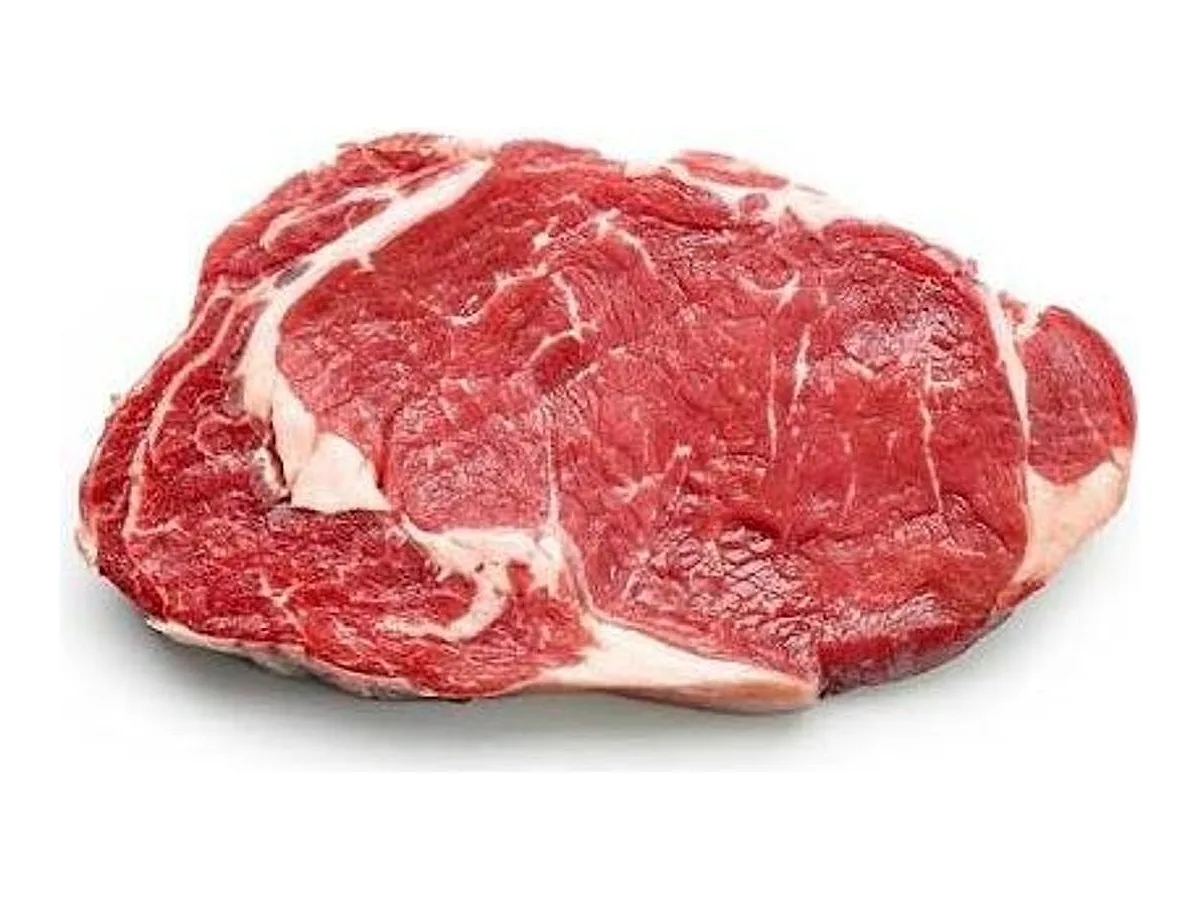
"Wagyu" gets used as a byword for expensive steak, but like Angus, it's a breed name first. What varies enormously — and what actually determines the price you pay — is how much Wagyu genetics an animal carries and how it graded.
Wagyu is a breed, not a grade
Wagyu (literally "Japanese cattle") is a group of Japanese cattle breeds developed over centuries for one trait above all: the ability to marble intramuscular fat far more heavily than most other cattle. That marbling is what gives Wagyu its buttery texture and low melting point.
F1 vs full-blood vs purebred
This is the distinction that actually matters for your wallet:
- F1 Wagyu — first-cross: one Wagyu parent, one non-Wagyu parent (commonly Angus in Australia). Roughly half Wagyu genetics. This is the most common tier sold by Australian butchers and the one we carry — real marbling lift over standard beef, at a fraction of full-blood pricing.
- Full-blood Wagyu — both parents are Wagyu, but the animal isn't necessarily born or raised in Japan. Heavier marbling than F1, priced accordingly.
- Purebred / Japanese Wagyu (Kobe, A5, etc.) — specific Japanese bloodlines and regional certification programs (Kobe beef is a protected designation, not a generic term) with the highest marbling and the highest price. Very little of this reaches Australian retail, and "Kobe-style" on a menu almost never means the real, certified product.
Most beef marketed simply as "Wagyu beef" in Australia — including most restaurant and butcher Wagyu — is F1. That's not a downgrade; it's the practical, everyday tier of a breed that gets exponentially more expensive as the Wagyu percentage climbs.
How marbling is graded
Australia uses the AUS-MEAT marbling score (0–9+), assessed on the cut face of the ribeye. Standard grass-fed beef typically sits at 0–2. F1 Wagyu commonly grades in the 4–6 range — a clear step up. Full-blood and Japanese Wagyu can reach 7–9+, where the marbling is so heavy the meat looks almost pink-white rather than red. Higher isn't always "better" for every dish — a heavily marbled steak is rich in small portions but can feel one-note if you're used to a leaner steak.
Does the extra marbling change how you cook it?
Yes, a little. The higher fat content makes Wagyu more forgiving than a lean cut, but it still rewards restraint:
- Season simply — just salt. Wagyu's flavour is the point; heavy marinades and sauces waste it.
- Cook hot and fast — a hot pan or grill renders the surface fat and marbling quickly without overcooking the centre.
- Pull it at medium-rare — around 52–55°C internal. Past medium, the rendered fat starts to taste greasy rather than rich.
- Rest it — as long as you cooked it, so the fat re-sets through the meat instead of pooling on the board.
- Portion smaller — because Wagyu is richer, 150–200g per person is usually enough, versus 200–250g for a standard steak.
Our Wagyu
We carry F1 Wagyu — Wagyu genetics over the same grass-fed Angus base as the rest of our beef — in scotch fillet, porterhouse, rump and mince. Browse the Wagyu range, or for the base breed behind it, read what is Angus beef.
Frequently asked questions
What does F1 Wagyu mean?
First-cross — one Wagyu parent, one non-Wagyu parent (commonly Angus in Australia), so roughly half Wagyu genetics. It's the most common Wagyu tier sold in Australia, offering a real marbling lift over standard beef without full-blood pricing.
Is Wagyu a grade or a breed?
A breed. Wagyu ('Japanese cattle') is a group of Japanese cattle breeds developed for exceptionally heavy marbling. Grading (like AUS-MEAT marble score 0–9+) measures how much that genetic trait shows up in a specific animal.
What's the difference between F1 and full-blood Wagyu?
F1 is roughly half Wagyu genetics (one Wagyu parent); full-blood means both parents are Wagyu. Full-blood carries heavier marbling and costs significantly more. Purebred Japanese Wagyu (Kobe, A5) sits above both again, and rarely reaches Australian retail in genuine form.
How should I cook Wagyu steak?
Simply — salt only, hot and fast in a pan or on the grill, pulled at medium-rare (52–55°C internal), then rested as long as it cooked. The extra marbling is forgiving, but overcooking past medium turns the rendered fat greasy instead of rich.