Beef Bones for Broth & Stock
Beef bones for broth — human-grade grass-fed marrow bones cut into 5–7cm canoe and round pieces, knuckle and joint bones packed with collagen, and meaty soup bones. Roast then simmer 12–24 hours for a gelatinous stock.
Our beef and lamb are graded for eating quality under Meat Standards Australia and cut to AUS-MEAT language; everything is ground and cut fresh in Alexandria and handled to Food Standards Australia & New Zealand requirements.
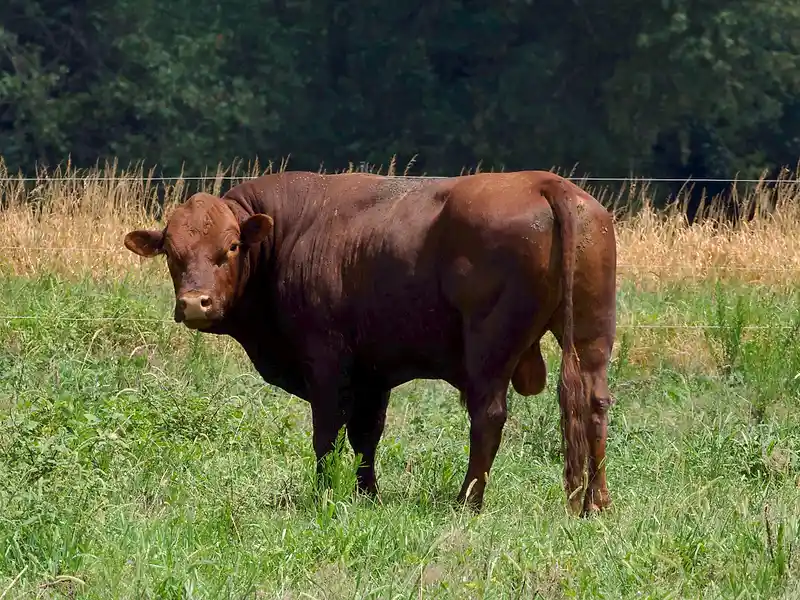
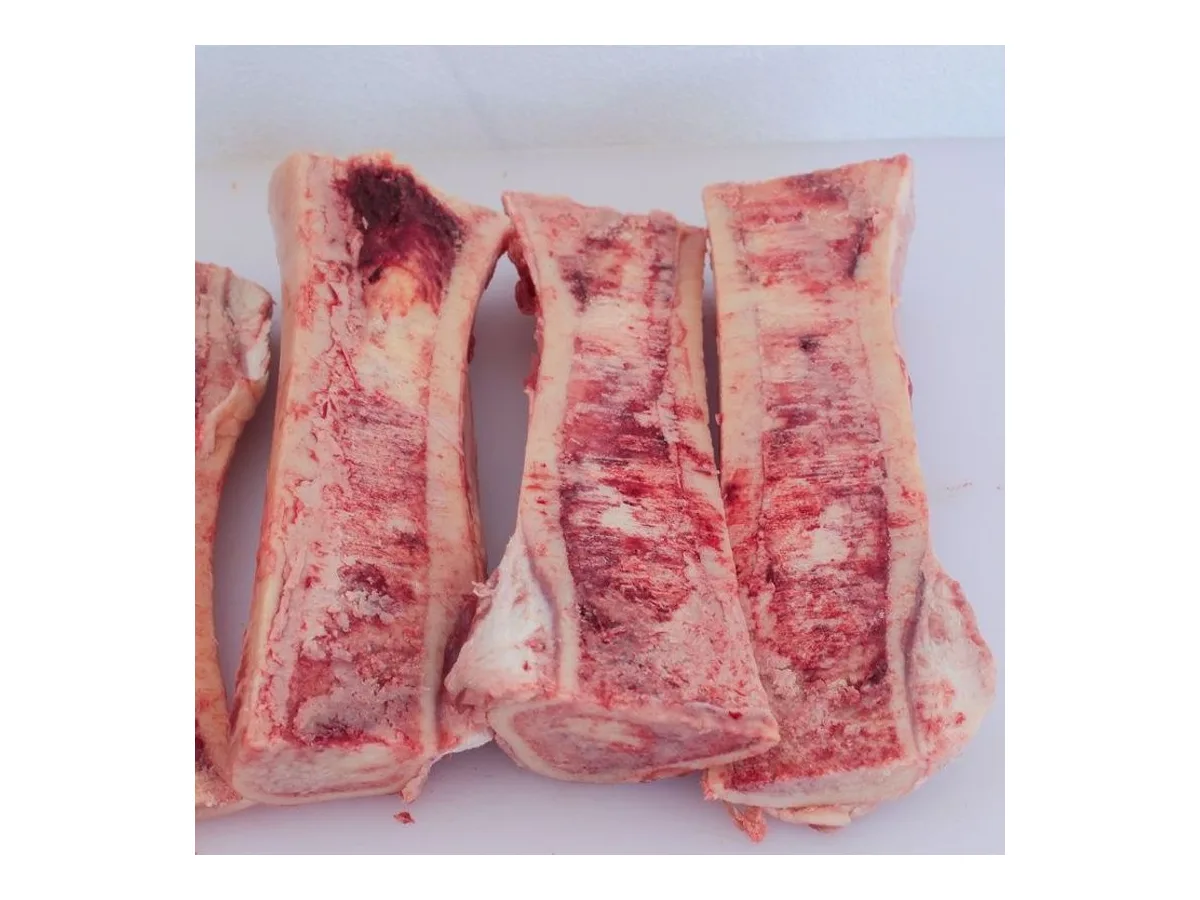 Fresh Chilled
Beef Marrow Bones
Grass-fed beef marrow bones, cut canoe and round for roasting and broth.
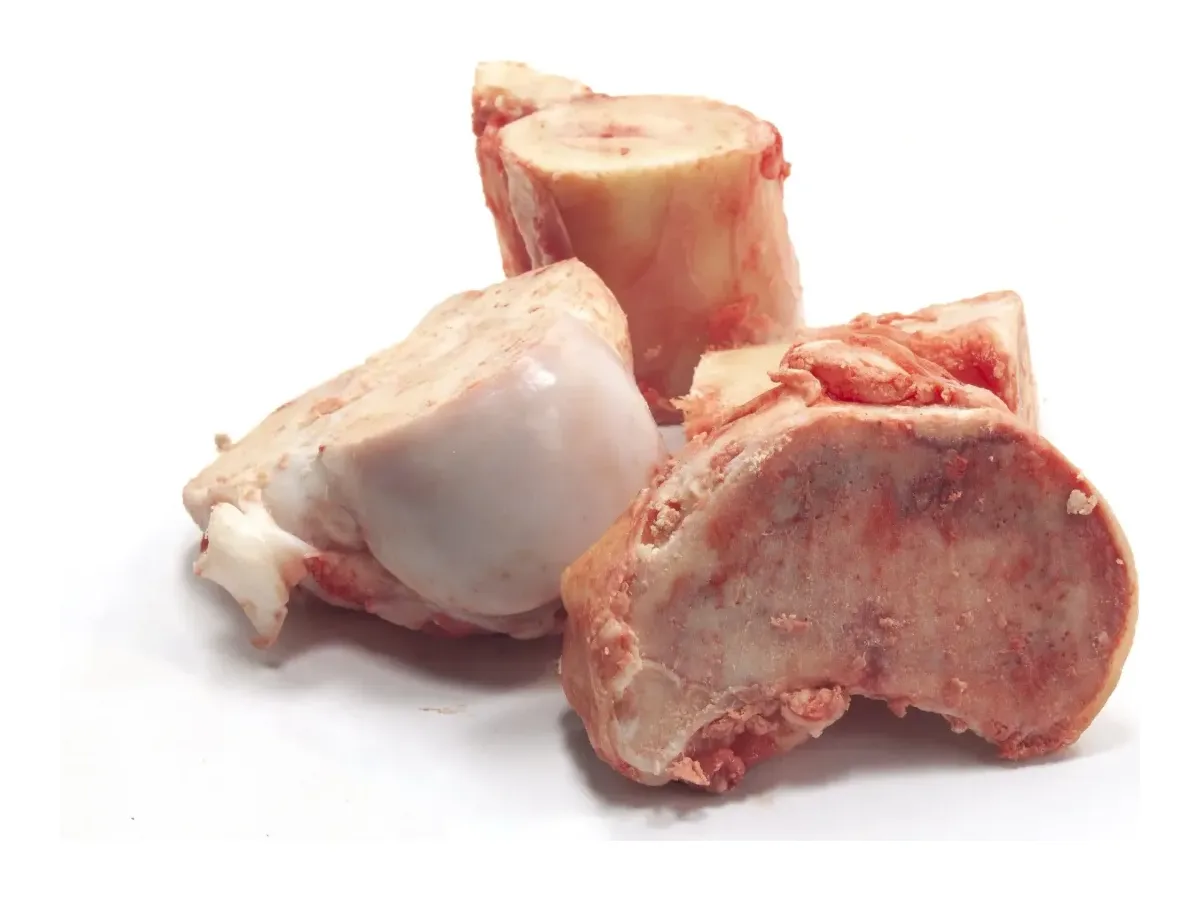 Fresh Chilled
Beef Knuckle & Joint Bones
Collagen-rich beef knuckle and joint bones — the backbone of a gelatinous broth.
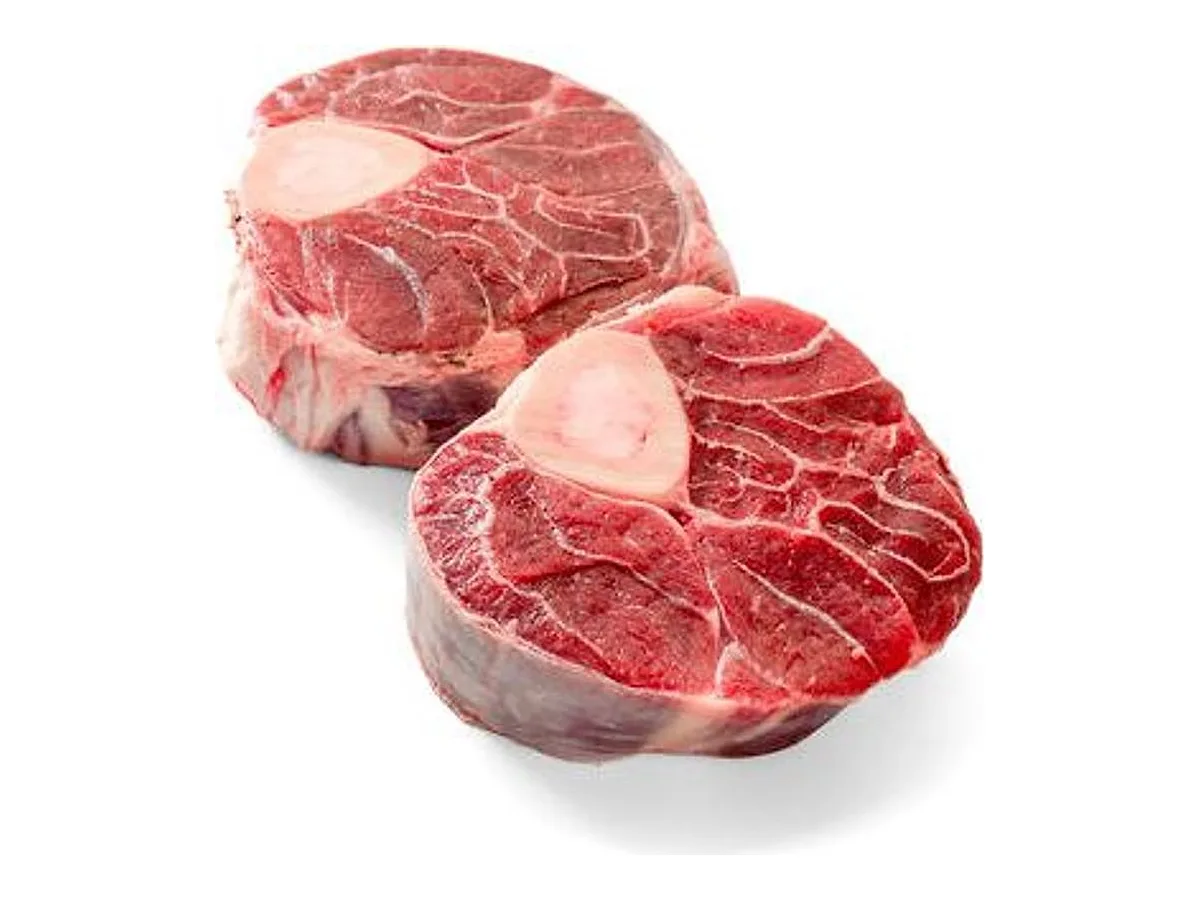 Fresh Chilled
Meaty Beef Shin Bones
Cross-cut beef shin bones with plenty of meat still on — broth plus a meal.
Beef Bones For Broth — Buying & Cooking Guide
Beef bones for broth are the base of a proper bone broth or brown stock — deeply savoury, rich in gelatine, and cheap for what they give back.
Which beef bones to use
Marrow bones (cut into 5–7cm canoe and round pieces) give richness and the marrow itself, which you can roast and spread on toast. Knuckle and joint bones are the collagen powerhouses — they are what makes a broth set like jelly in the fridge. Meaty soup bones (shin, neck) add colour and beefy flavour. For a broth that gels, use at least a third knuckle or joint bone by weight; for a lighter stock, lean on marrow and shin.
Method for a gelatin-rich broth
Roast the bones at 220°C for 30–40 minutes until deep brown — this is where the colour and roasted flavour come from. Transfer to a stockpot, add a splash of vinegar (it helps draw minerals from the bone), cover with cold water and bring to a bare simmer. Skim the first foam, then hold it at the gentlest simmer for 12 to 24 hours. Strain, cool quickly and refrigerate within two hours, following the Food Standards Australia and New Zealand cooling rules; a good broth will be wobbly and set once cold. It keeps 4–5 days chilled or 3 months frozen.
All our beef bones are human-grade and from grass-fed Australian cattle.
Beef Bones For Broth — Frequently Asked Questions
Which beef bones make the best broth?
A mix: knuckle and joint bones for collagen and body, marrow bones for richness and flavour, and a meaty soup bone or two for depth. All-marrow broth is greasy; all-knuckle is thin. Roast them first for colour and flavour.
Are these bones human-grade?
Yes — these are cut from the same grass-fed carcasses as our retail beef, handled through the human cold chain. Our pet-food bones are a separate range.
How long do I simmer beef bone broth?
12–24 hours on a low stovetop or in a slow cooker, with a splash of vinegar to help draw out minerals. It's ready when the broth sets to a soft jelly once chilled.
How much bone for how much broth?
Roughly 1kg of bones per 1.5–2 litres of water. A 2kg pack makes a decent stockpot's worth.