Grass-Fed vs Grain-Fed Beef: Taste, Nutrition & What the Labels Mean
The real differences between grass-fed and grain-fed beef, what 'grass-fed' legally means in Australia, and which to buy for which dish.
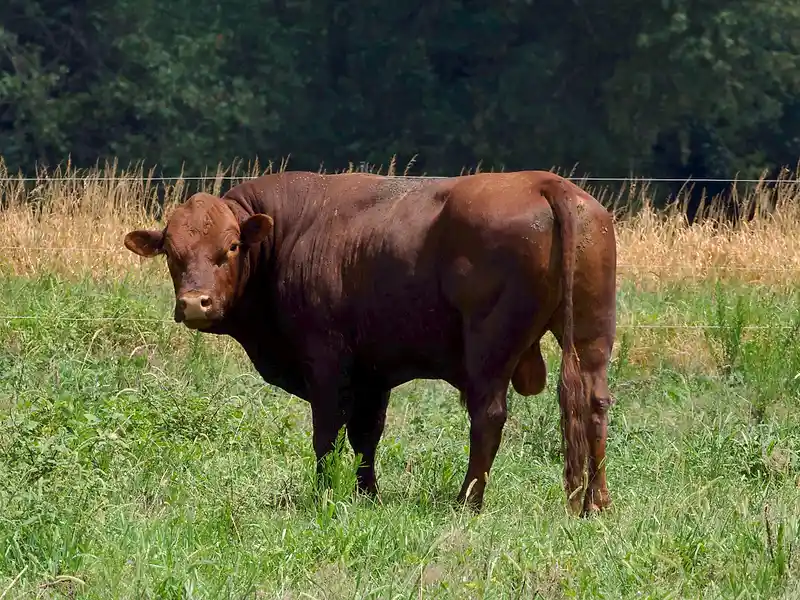
Every beef label in Australia says grass-fed, grain-fed, grain-finished or pasture-raised. Here's what actually separates them.
The systems
Grass-fed (pasture-raised): the animal eats pasture and forage its whole life. In Australia this is the majority system — our climate suits it. Cattle grow more slowly, so they're typically older at slaughter.
Grain-fed: cattle are raised on pasture, then moved to a feedlot for a "finishing" period (60–120+ days) on a grain ration. Faster weight gain, more consistent marbling, a milder flavour. Most premium restaurant Wagyu and Angus is grain-finished.
Grain-finished means the same as grain-fed — a short grain period at the end.
What "grass-fed" legally means here
Australia has a voluntary certified standard (the Pasture-fed Cattle Assurance System, PCAS) that requires a lifetime pasture diet, no feedlot, no added hormones (HGP-free) and no antibiotics for growth. Not all "grass-fed" beef is PCAS-certified, but the term generally means no feedlot finishing. Our beef is Australian grass-fed.
Taste
- Grass-fed: more mineral, "beefier", a yellower fat (from beta-carotene in grass), firmer texture. Rewards a good sear and medium-rare.
- Grain-fed: milder, sweeter, softer, whiter fat, more even marbling. More forgiving for people who cook steak to medium-well.
Neither is "better" — it's a flavour preference. Many people who think they don't like grass-fed have just overcooked it.
Nutrition
Grass-fed beef is modestly higher in omega-3s, CLA and vitamin E, and often slightly leaner. The differences are real but not dramatic — beef is not a major omega-3 source either way. The bigger nutritional story is the cut you choose and the portion size.
Which to buy
- Fast, high-heat cooking (steaks, stir-fry): grass-fed if you'll cook it medium-rare; grain-fed if you like it more done.
- Low and slow (brisket, cheek, ragu): grass-fed — the deeper flavour carries a long cook, and marbling matters less.
- Mince and burgers: grass-fed chuck has plenty of flavour; the fat ratio matters more than the feed.
Browse grass-fed beef or read Australian beef cuts explained.
Frequently asked questions
Is grass-fed beef better than grain-fed?
Neither is objectively better — it's a flavour preference. Grass-fed is more mineral and 'beefy' with firmer texture and yellower fat; grain-fed is milder, sweeter and softer with more even marbling. Grass-fed is modestly higher in omega-3s and CLA.
What does grass-fed mean in Australia?
It generally means the cattle ate pasture and forage their whole life with no feedlot finishing. The voluntary PCAS certification goes further, requiring a lifetime pasture diet, no added hormones and no antibiotics for growth.
Why is grass-fed beef fat yellow?
Beta-carotene from fresh grass is stored in the fat, giving it a creamy-yellow colour. Grain-fed cattle eat little green forage in the finishing period, so their fat is whiter. Yellow fat is a sign of a grass diet, not a fault.
Does grass-fed beef taste gamey?
It shouldn't. It has a stronger, more mineral beef flavour than grain-fed, but not a gamey one. If grass-fed beef tastes off to you, it's most often been overcooked — try it medium-rare with a proper rest.